

Managing employees involves more than assigning tasks and monitoring daily performance. Business owners must also calculate salaries, maintain payment records, manage deductions, and ensure employees receive their wages on time. These responsibilities can become complicated as a company grows. This is where payroll software small business solutions can make a significant difference.
Payroll software helps businesses automate salary calculations, organise employee information, track working hours, and prepare payroll reports. Instead of managing everything through spreadsheets and manual calculations, business owners can use digital tools to make payroll processing faster and more organised.
What Is Payroll Software?
Payroll software is a digital system designed to manage employee salary payments and related administrative tasks. It helps businesses calculate wages, record working hours, manage deductions, and maintain payroll information.
Depending on the platform, payroll software may also include employee self-service portals, tax calculations, payslip generation, attendance tracking, and direct deposit features.
For small businesses, these tools can reduce repetitive administrative work and make it easier to maintain accurate employee payment records.
Why Small Businesses Need Payroll Software

Small businesses often have limited administrative staff. In many cases, the owner or manager is responsible for handling payroll alongside sales, customer service, accounting, and other daily activities.
Manual payroll processing can take considerable time, especially when a business has multiple employees with different salaries, working hours, overtime requirements, and deductions.
Payroll software helps simplify these responsibilities by automating calculations and organising employee records in one place.
It can also reduce the risk of calculation errors and missed payments. With organised payroll information, business owners can review salary expenses and plan their budgets more effectively.
Important Features of Payroll Software
Choosing the right payroll system requires understanding which features are most useful for your company.
Automated Salary Calculations: Software can calculate employee wages based on salaries, working hours, overtime, and configured deductions.
Payslip Generation: Businesses can create digital payslips showing salary details, deductions, and net payments.
Tax and Compliance Support: Depending on the country and software provider, payroll systems may help calculate applicable taxes and generate required reports.
Attendance Tracking: Some platforms integrate with attendance and time-tracking systems to record employee working hours.
Direct Deposits: Supported systems can process employee salary payments through connected banking services.
Employee Self-Service: Employees may be able to access payslips, update personal information, and review payment details through an online portal.
Benefits of Using Payroll Software
One major benefit of payroll software is time savings. Automated calculations reduce the need to prepare salary information manually every pay period.
Accuracy is another important advantage. When employee information and payroll rules are configured correctly, software can help reduce mistakes involving wages, overtime, and deductions.
Payroll systems also improve record management. Business owners can access historical payment information, generate reports, and review employee salary expenses.
Additionally, digital payroll records can make communication easier between business owners, employees, accountants, and HR professionals.
Popular Payroll Software for Small Businesses
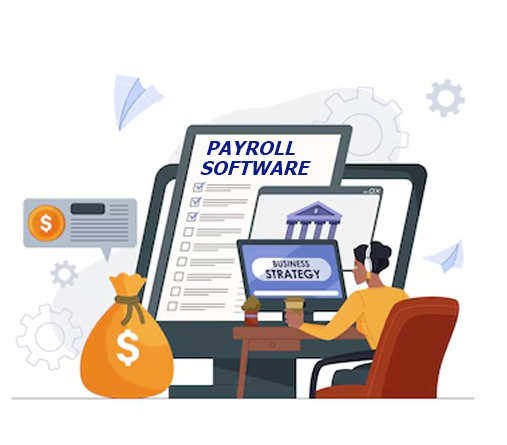
Several software providers offer payroll solutions designed for smaller companies. The best option depends on business location, employee numbers, budget, and compliance requirements.
QuickBooks Payroll: Offers payroll management features and accounting integration for eligible markets. It can help businesses organise salary payments and payroll records.
Gusto: Provides payroll, employee benefits, and HR-related services, primarily for businesses operating in the United States.
ADP: Offers payroll and workforce management solutions for businesses of different sizes, including smaller organisations.
Paychex: Provides payroll processing, HR support, and employee management services for eligible businesses.
Zoho Payroll: Offers payroll management tools and country-specific features in supported markets.
Before selecting a platform, check its availability, pricing, supported features, and local regulatory coverage.
How to Choose the Right Payroll System
Not every small business requires an advanced payroll platform. A company with three employees may need only basic salary processing, while a growing organisation may require attendance tracking, employee benefits, and HR integrations.
Consider these factors when comparing providers:
- Business Size: Select a system that supports your current employee numbers and future growth.
- Pricing: Compare monthly subscriptions, per-employee charges, and additional service fees.
- Ease of Use: Choose software with a simple interface and straightforward payroll processes.
- Compliance: Ensure the system supports the employment and tax regulations in your country.
- Integration: Check whether it connects with your accounting and attendance management software.
- Customer Support: Reliable assistance is important when payroll errors or payment issues occur.
A suitable payroll system should make salary management easier rather than introduce unnecessary complexity.
Payroll Software for Businesses in India
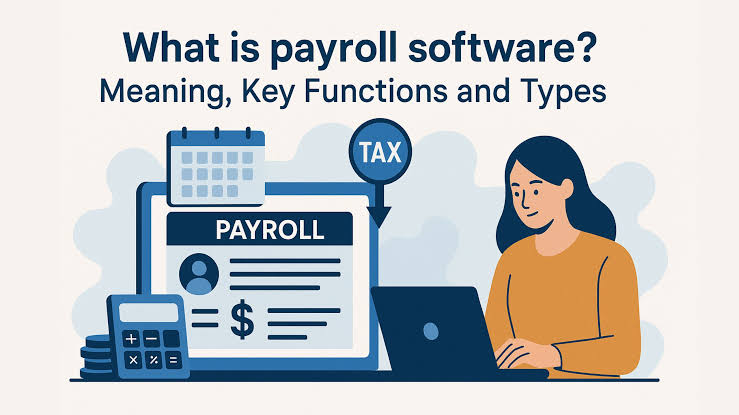
Small businesses in India must consider local payroll requirements when choosing software. Employers may need to manage salary calculations, payslips, income tax deductions, Provident Fund (PF), Employee State Insurance (ESI), and other applicable employment obligations.
Software such as Zoho Payroll and greytHR offers solutions designed for Indian businesses. The available features and compliance support depend on the selected plan and current regulations.
Business owners should verify statutory settings and calculations regularly. Professional accounting or payroll assistance can also help companies manage complex compliance responsibilities.
Tips for Managing Payroll Efficiently
Using payroll software is only one part of an effective payroll process. Businesses should maintain updated employee records, verify attendance information, and review salary calculations before processing payments.
It is also important to establish a consistent payroll schedule and communicate payment dates clearly to employees.
Regularly updating software and restricting access to authorised personnel can help protect sensitive salary and employee information.
Conclusion
Managing employee salaries accurately is essential for building a reliable and organised business. From automated salary calculations and payslip generation to attendance tracking and payroll reporting, digital tools can simplify many administrative responsibilities. Choosing the right payroll software small business solution can save time, reduce manual errors, and support better employee management. By comparing features, pricing, and local compliance requirements, business owners can find a payroll system that meets their needs and supports long-term growth.